 60% red/vermelho
(blood shed) & 40% green/verde (hope). 7 castles taken; 5 wounds of Jesus,
quinas (shields)
= 5 kings conquered. Yellow lines denote PT exploreres sailing across
ocean. Battles against Moorish were part of Crusades.
60% red/vermelho
(blood shed) & 40% green/verde (hope). 7 castles taken; 5 wounds of Jesus,
quinas (shields)
= 5 kings conquered. Yellow lines denote PT exploreres sailing across
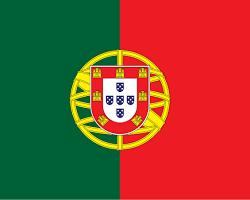
ocean. Battles against Moorish were part of Crusades.The Portuguese flag, also known as the Bandeira de Portugal, is a bold design rich in historical and nautical symbolism that reflects the country’s identity as a seafaring nation.
60% red/vermelho
(blood shed) & 40% green/verde (hope). 7 castles taken; 5 wounds of Jesus,
quinas (shields)
= 5 kings conquered. Yellow lines denote PT exploreres sailing across
ocean. Battles against Moorish were part of Crusades.
Unlike many flags that use horizontal stripes, the Portuguese flag is divided vertically into two unequal sections:
Green (Verde): Located on the hoist side (left), it makes up two-fifths of the flag. It represents hope for the future.
Red (Vermelho): Making up the remaining three-fifths, it symbolizes the blood of those who died defending the nation.
Centered on the boundary between the green and red fields is the national coat of arms, which consists of two main parts:
This yellow astronomical instrument was a vital tool for Portuguese sailors during the Age of Discovery. It represents the world that Portuguese explorers navigated and the global reach of the empire.
The white shield in the center features five smaller blue shields (quinas).
The Five Quinas: These represent the five Moorish kings defeated by Afonso Henriques, the first King of Portugal.
The Five Dots: Inside each blue shield are five white dots (bezants) representing the five wounds of Christ.
The Red Border: This contains seven yellow castles, which represent the fortified locations reclaimed during the Reconquista to solidify Portuguese territory.
The current design was officially adopted on June 30, 1911, following the downfall of the monarchy and the establishment of the Portuguese Republic. The move to green and red was a deliberate break from the blue and white colors associated with the former royal family.